XMM-Newton sky
Euclid sky
FornaX collaboration meeting 2027
Salamanca · 5–9 April
ScrollCredit: Euclid image: ESA/Euclid/Euclid Consortium/NASA, processing by J.-C. Cuillandre, E. Bertin, G. Anselmi;
X-ray image: F. Pacaud, I. Muñoz Rodríguez
General Information
- Dates
- 5–9 April 2027Registration on Monday evening
- City
- SalamancaCastilla y León, Spain
- Venue
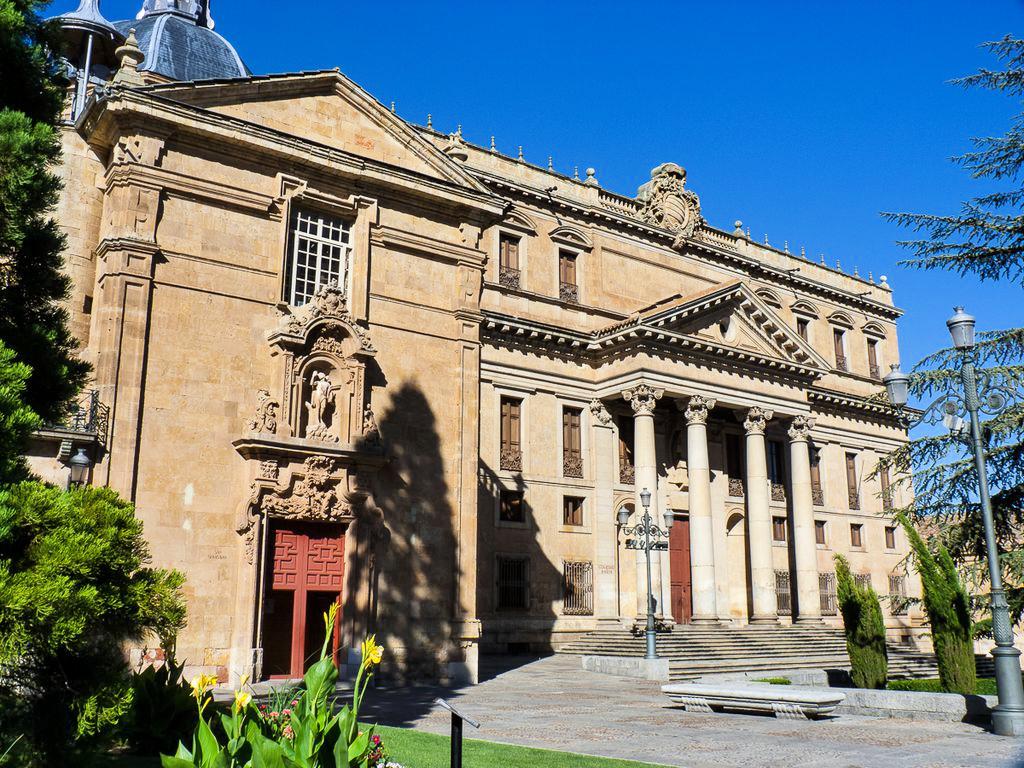
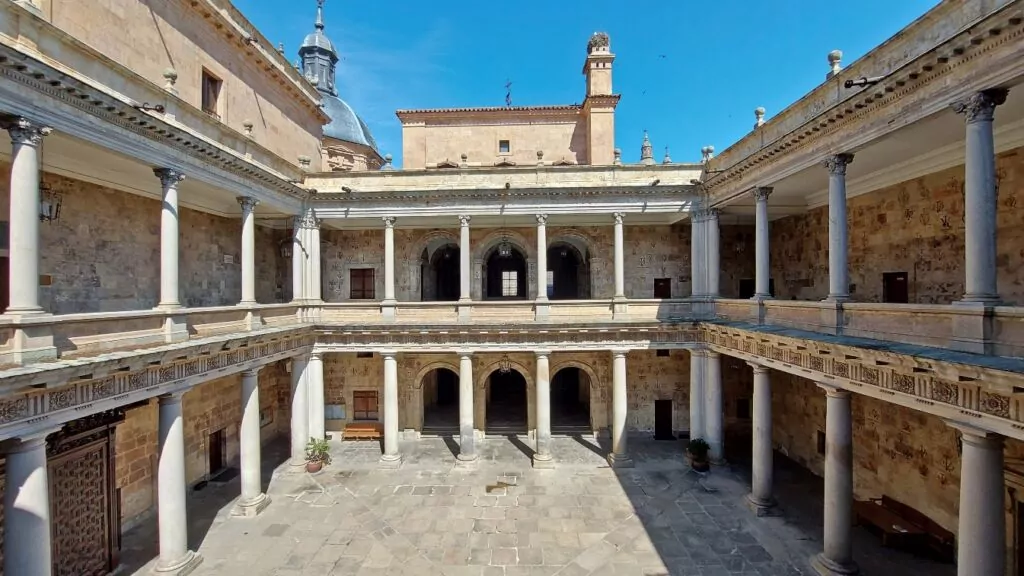
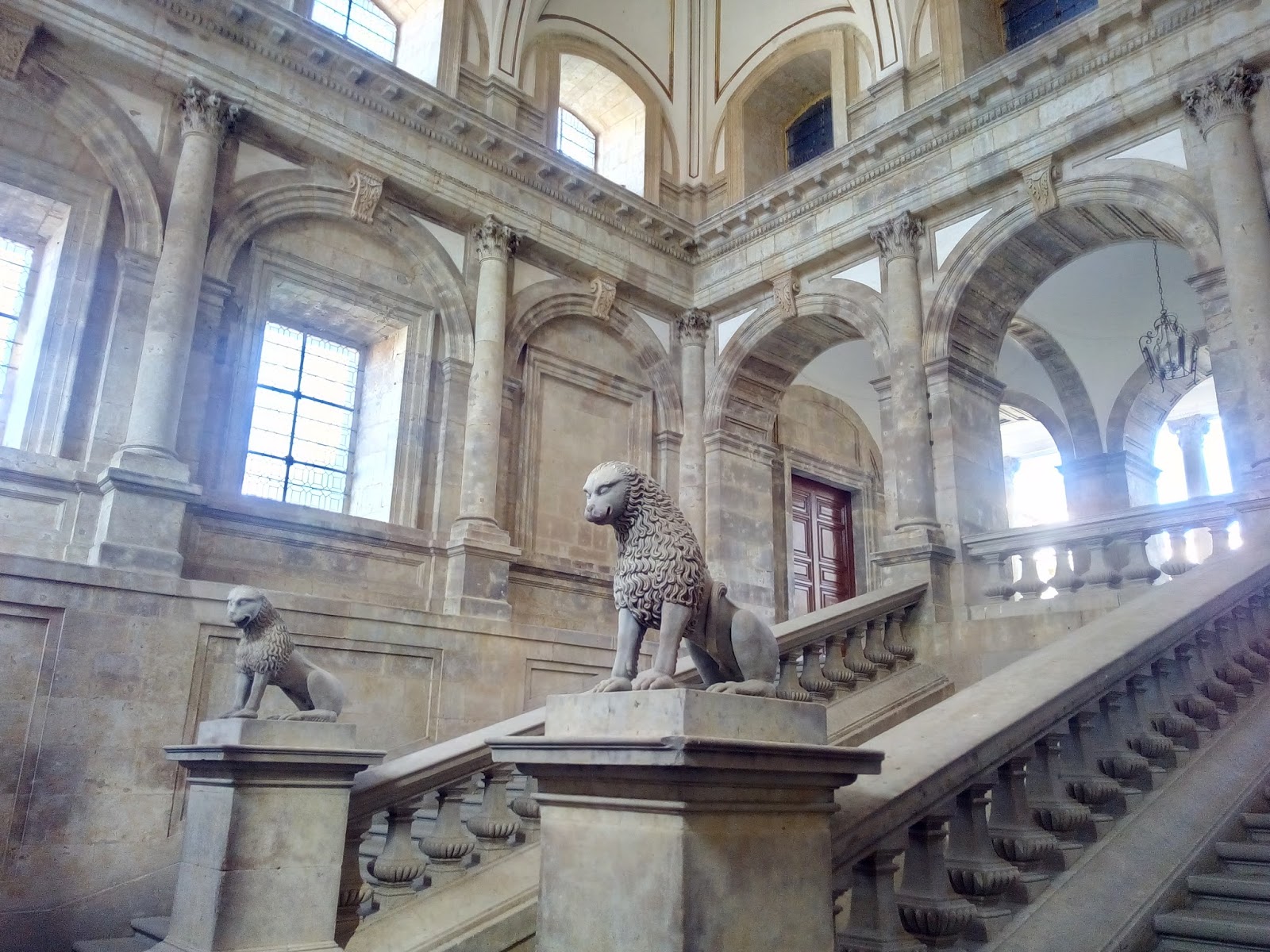
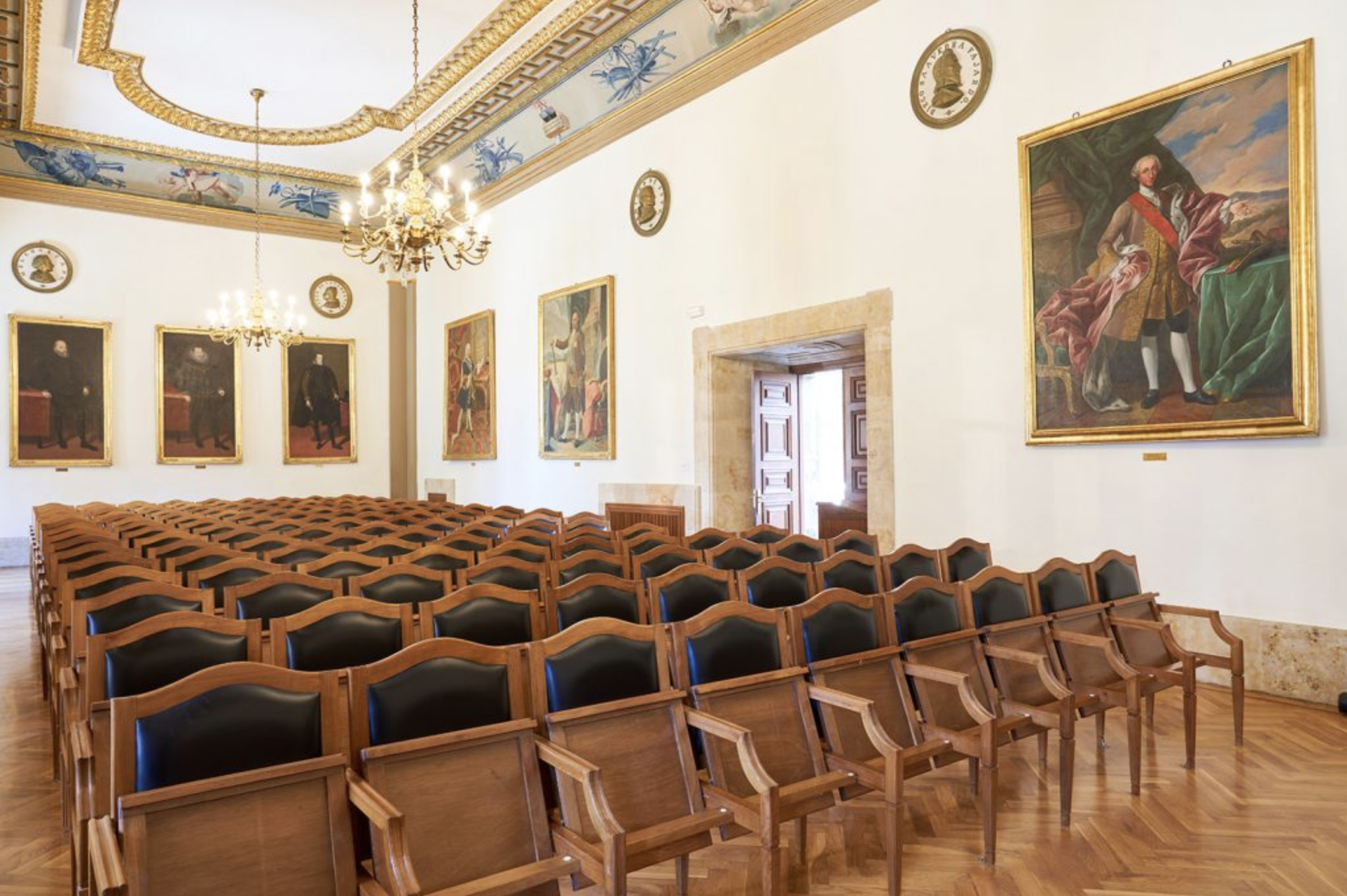
- Palacio de AnayaUniversidad de Salamanca
- Who can join
- The collaboration meeting is open to any Euclid member who wants to contribute. Registration opens in early January 2027. To join the FornaX collaboration, see Joining the project.
About the meeting
The 2027 FornaX collaboration meeting brings together members of the FornaX XMM-Newton Heritage Programme to review progress on the observations, catalogues and science projects, and to plan the next steps.
The 2027 meeting will be particularly important:
- By then, we will have been able to compare and scrutinise the DR1 Euclid and XMM detections of clusters and AGN.
- The first science papers will be well underway.
- The meeting will take place 1.5 months before the Euclid Consortium conference.
We stress the importance of attending the meeting in person: it makes the discussions much more effective. We are going to be working together for many years, and it is important to forge friendly professional links.
- Sessions from 9:00 to 12:00 and from 15:00 to 18:00.
- Lots of time for small-group discussions.
- Half a day is devoted to the traditional excursion.
Programme
The main topics are:
- Status and evaluation of the XMM and Euclid observations in the FornaX field (the last XMM observations are to be completed by February 2027).
- The XMM and Euclid catalogues (clusters, AGN, galaxies).
- Reports from the working groups.
- Simulations and selection functions.
- Photometric and spectroscopic redshifts.
- Tools for source identification and source matching.
- Shear measurements.
- Review of ongoing papers, and update of the publication list.
- Preparation of ground-based follow-up campaigns.
A detailed programme will be published closer to the meeting.
Registration
Registration will open in early January 2027. Come back to this page for updates.
Venue
The meeting takes place at the
Palacio de Anaya,
Facultad de Filología, Universidad de Salamanca.
Plaza de Anaya s/n, 37008 Salamanca, Spain.
See the venue on the map, together with our recommended visits.
Travel
The nearest major international airport is Madrid–Barajas (MAD). From there, the easiest way to reach Salamanca is by train.
Getting to Salamanca by train from Madrid
- Airport Terminal 4* → Madrid-Chamartín: a direct train runs from the station inside T4 to Madrid-Chamartín.
- Take the Cercanías commuter train (not the metro), line C-1 (towards Chamartín). The Cercanías station is on the underground floor of T4, just past the entrance to the metro.
- Get off at Chamartín Clara Campoamor, the 3rd stop (after Valdebebas and Fuente de la Mora): about 18 min.
- Trains run about every 15 min, from around 6:00 (5:46 on weekdays) until about midnight.
- The airport station has a special fare (airport supplement). See the C-1 timetable or renfe.com for current times.
- Madrid-Chamartín → Salamanca: about 1 h 30 min by fast train.
- There are typically more than 10 trains a day.
- Most, but not all, of them are fast: when booking, check that the train type is AVE or Alvia. Other trains (Media Distancia) take considerably longer.
- Tickets: renfe.com.
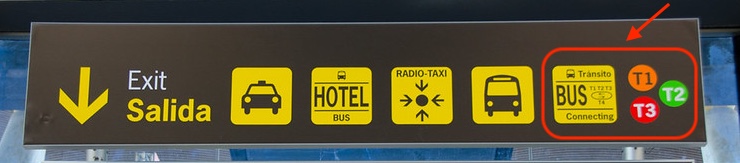
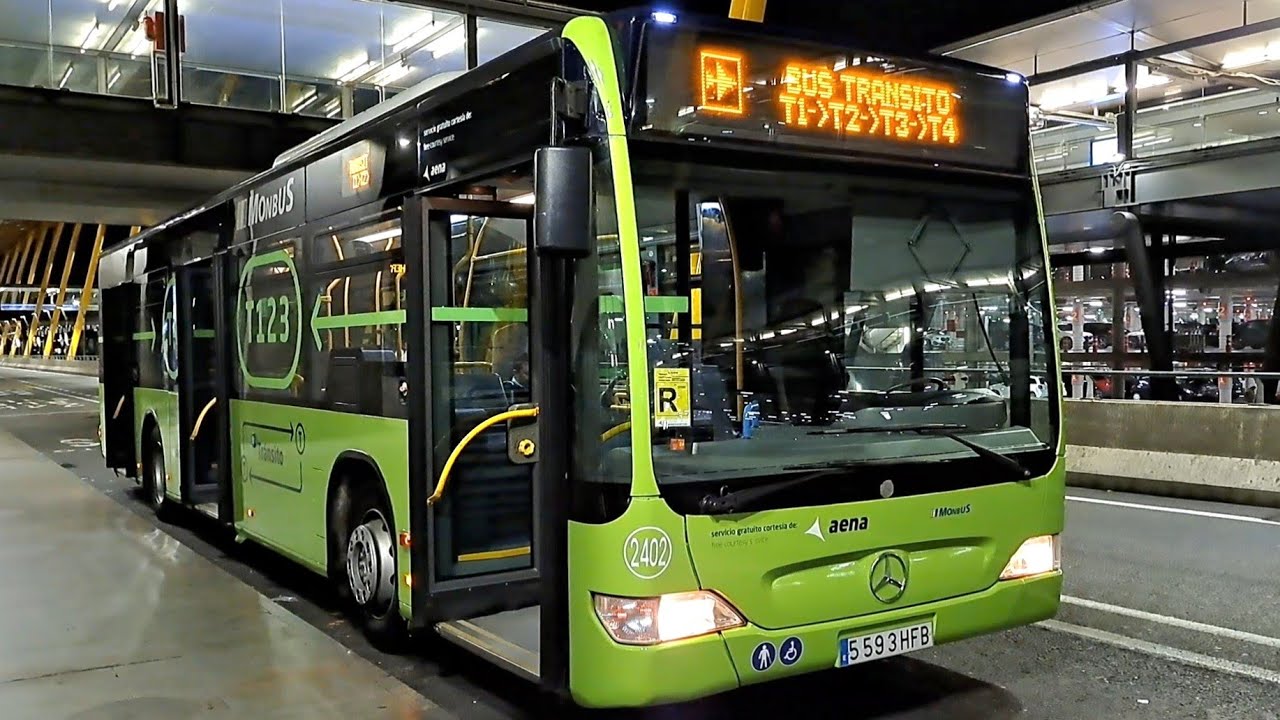
* Arriving at Terminal 1, 2 or 3? These terminals are connected to T4 by a free shuttle bus. Follow the yellow “Bus Tránsito / Connecting” signs to the stop, and take the green bus showing “Bus Tránsito T1 → T2 → T3 → T4”.
Accommodation
A list of recommended hotels will be published.
Organisation
Local Organising Committee (LOC)
- Bruno Altieri
- Virginia Carcelent Aycart
- Iván Muñoz Rodriguez
- Tatyana Sabidekova
Scientific Organising Committee (SOC)
- Micol Bolzonella
- Ben Maughan
- Florian Pacaud
- Stéphane Paltani
- Marguerite Pierre
Contact
- Iván Muñoz Rodriguez · ivan.munozrodriguez at cea.fr
- Marguerite Pierre · marguerite.pierre at cea.fr
The city
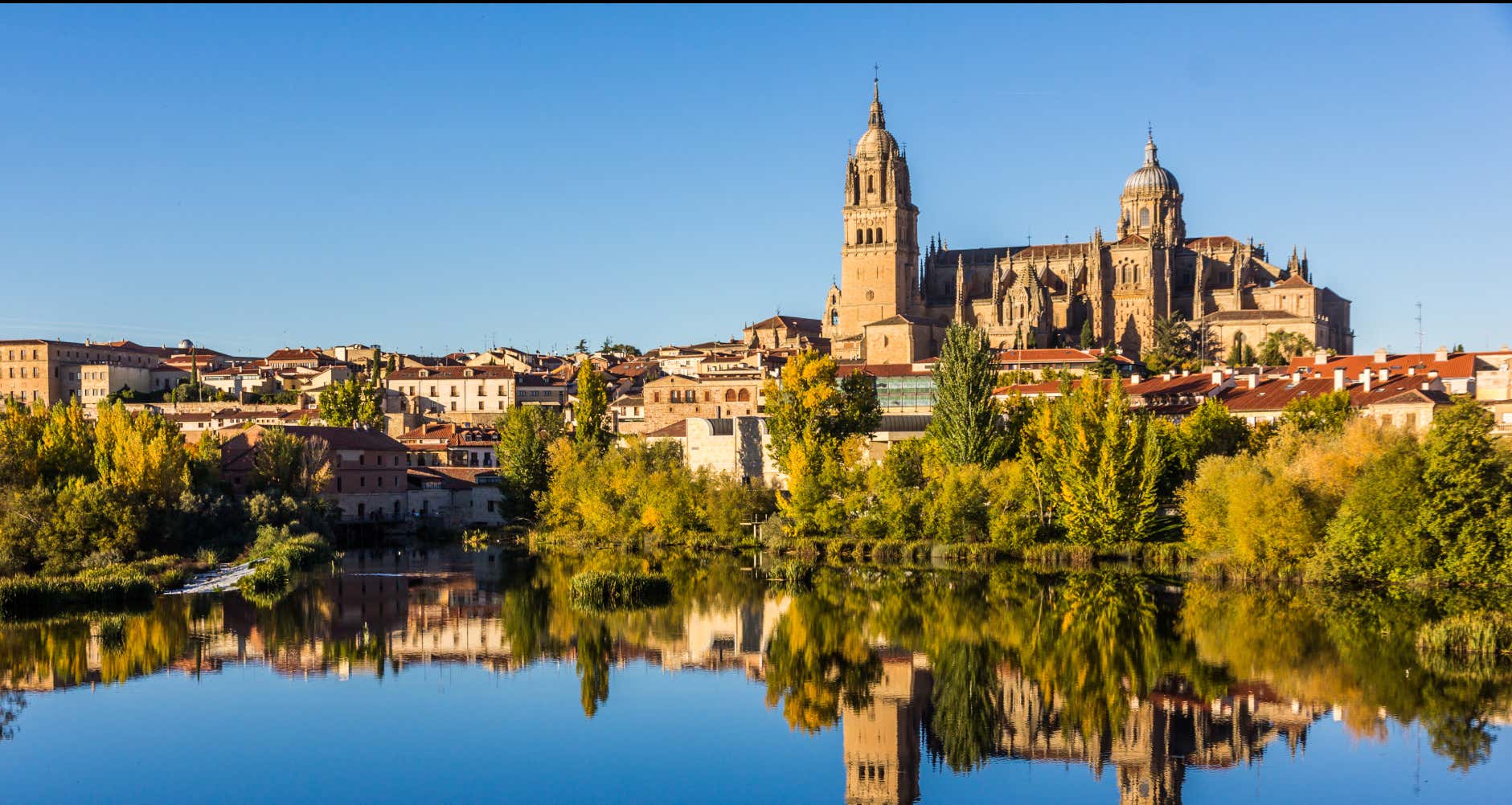
Salamanca, in the region of Castilla y León, is home to one of the oldest universities in Europe. Its old town has been a UNESCO World Heritage Site since 1988. It is known for the golden sandstone of its buildings, which gives the city its nickname, La Dorada.
The Old and New Cathedrals, the Plaza Mayor, the university's historic buildings and the Roman bridge over the Tormes are all within walking distance of one another. The meeting venue, the Palacio de Anaya, stands on Plaza de Anaya, facing the New Cathedral.
The University of Salamanca
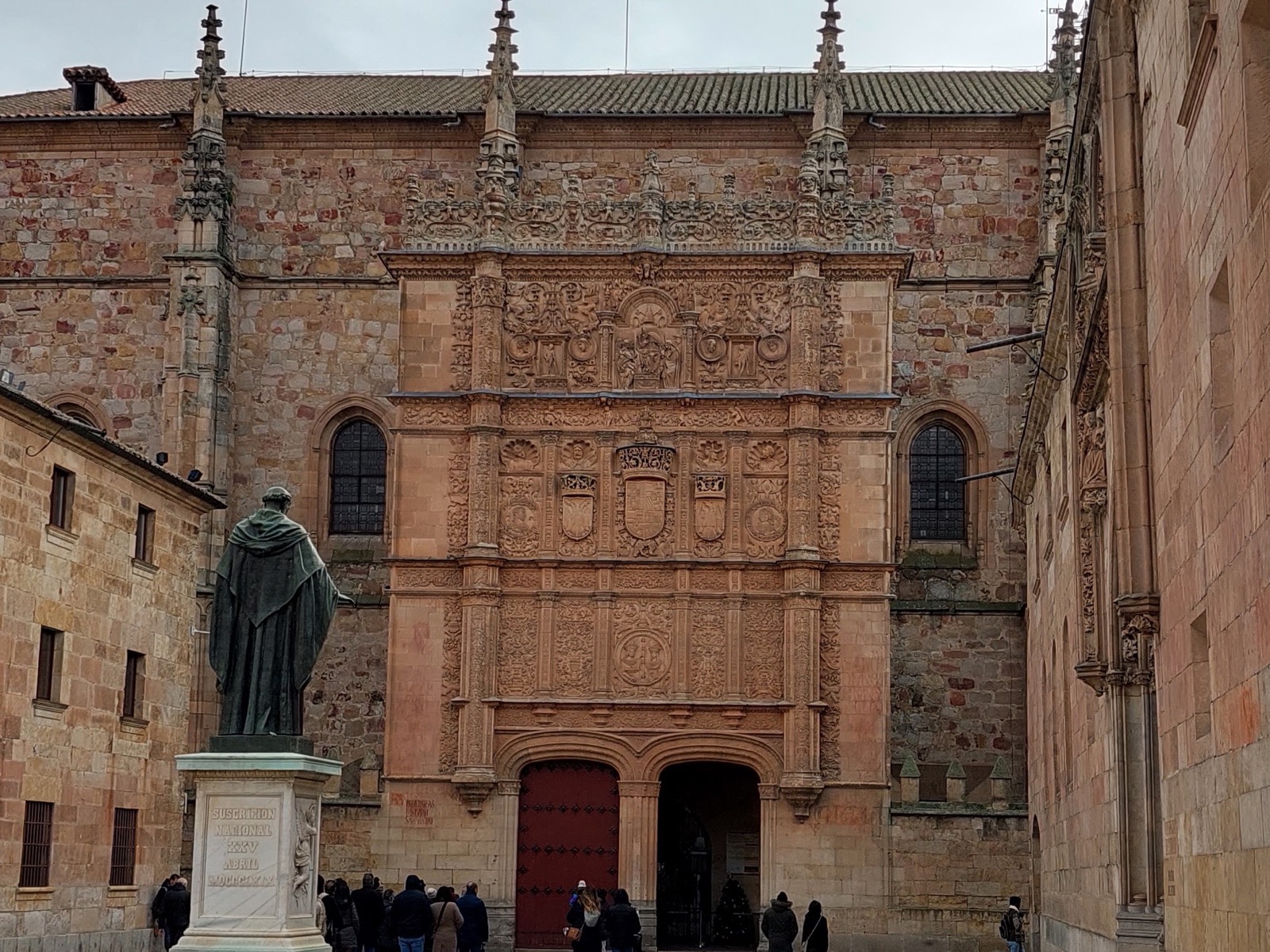
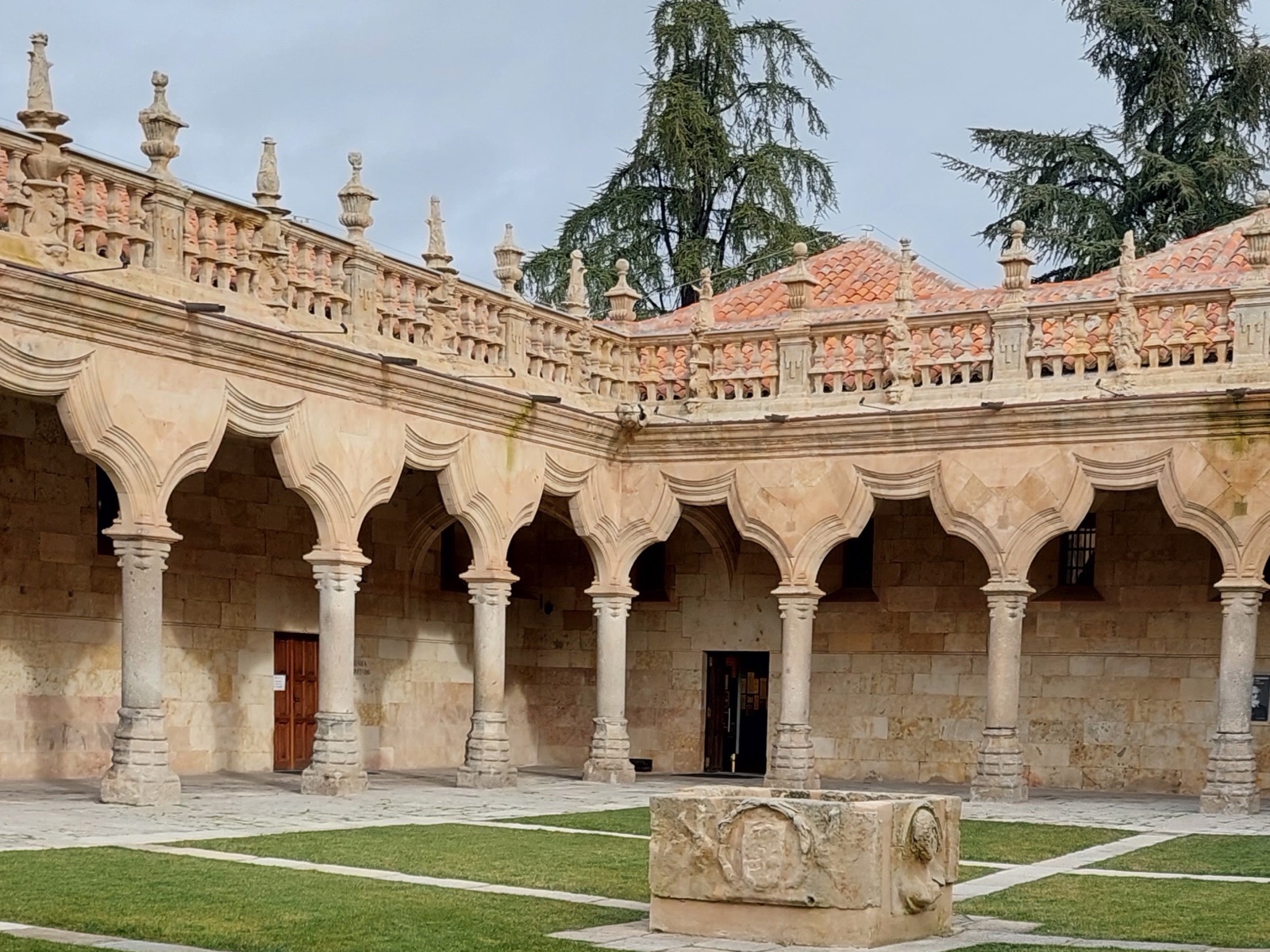
Founded in 1218 by King Alfonso IX of León, the University of Salamanca is the oldest university in Spain still in operation. In the 16th century its scholars, known as the School of Salamanca, helped lay the foundations of international law and modern economics.
Its historic buildings are a short walk from the venue. The carved Plateresque façade of the Escuelas Mayores faces the Patio de Escuelas, and inside is the University's historic library.
The meeting itself takes place in the Palacio de Anaya, an 18th-century neoclassical building that was built for the Colegio Mayor de San Bartolomé and today houses the Faculty of Philology.
Recommended visits
Places worth seeing in Salamanca
-
The Tormes river and the Roman bridge
Take a walk along the riverbanks and cross the Roman bridge on foot. From the far side you get the classic view of the old town and the cathedrals, like the photo above.
-
The Art Nouveau and Art Déco museum, in a modernist house with a striking stained-glass façade, built on the old city wall above the Tormes river.
-
A 16th-century Dominican convent with a spectacular Plateresque façade, carved like a giant stone altarpiece, and beautiful cloisters inside. A short walk downhill from the Cathedral.
-
The Cathedral and its towers (Ieronimus)
Climb the medieval towers of Salamanca Cathedral, with terraces, the bell chamber and a walkway inside the New Cathedral, and views over the whole city. Beautiful both by day and at night, and there are dedicated night visits. Entry is limited, so book online.
Find The astronaut: an astronaut carved in stone among the decorations of the Puerta de Ramos, a side door of the New Cathedral, added during its 1992 restoration.
Find The devil eating ice cream: on the same door, look for a little horned creature licking an ice-cream cone, another playful addition from the 1992 restoration.
-
The University's historic main building, behind the carved façade on the Patio de Escuelas, with its old lecture halls and historic library.
Find The frog: a tiny frog hidden somewhere among the carvings of the façade. Tradition says students who spot it will pass their exams.
-
The University's other historic building, just off the Patio de Escuelas.
Find El Cielo de Salamanca: a late 15th-century painted sky showing constellations and signs of the zodiac. It once decorated the vault of the old university library and is now on display here. A must for astronomers!
-
A late 15th-century palace whose façade is covered in hundreds of carved scallop shells. Today it is a public library, so you can step inside to see its Gothic courtyard. It stands opposite the Clerecía, a few minutes' walk from the Patio de Escuelas.
-
The pedestrian street that links the Plaza Mayor with the Casa de las Conchas and the Clerecía, lined with stone façades, terraces and restaurants. Walk it from the Plaza Mayor for the classic view of the Clerecía towers, and again at night when the old town is lit up.
-
The heart of the city: an 18th-century Baroque square surrounded by arcades and cafés (it is the square in the photo at the top of this page). Come back after dark, when it is lit up.
-
The city's main shopping streets, both starting at the Plaza Mayor. Good for a stroll, shops, tapas and cafés.
Don't miss Iglesia de San Marcos: at the far end of Calle Zamora, a small Romanesque church with an unusual round floor plan.
★ The venue, Palacio de Anaya · 1 Numbers match the list above. Click a pin for its name.
Excursion
As part of the meeting, participants are invited to join an excursion. There are two possible destinations: participants will be asked which one they prefer, and only one of them will take place.
| Date | Thursday 8 April 2027 |
|---|---|
| Departure | To be announced |
| Cost | To be announced |
Option 1: Segovia
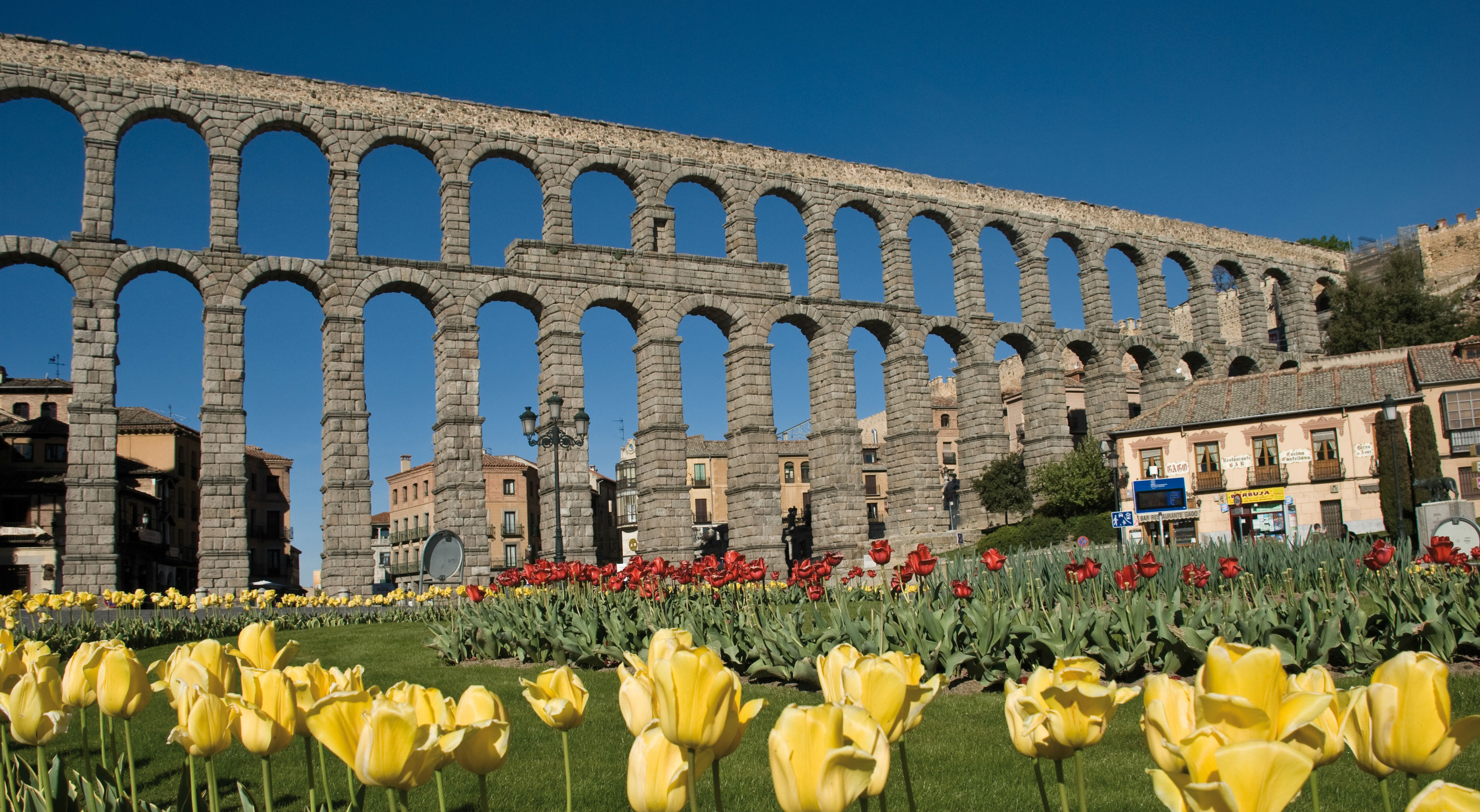
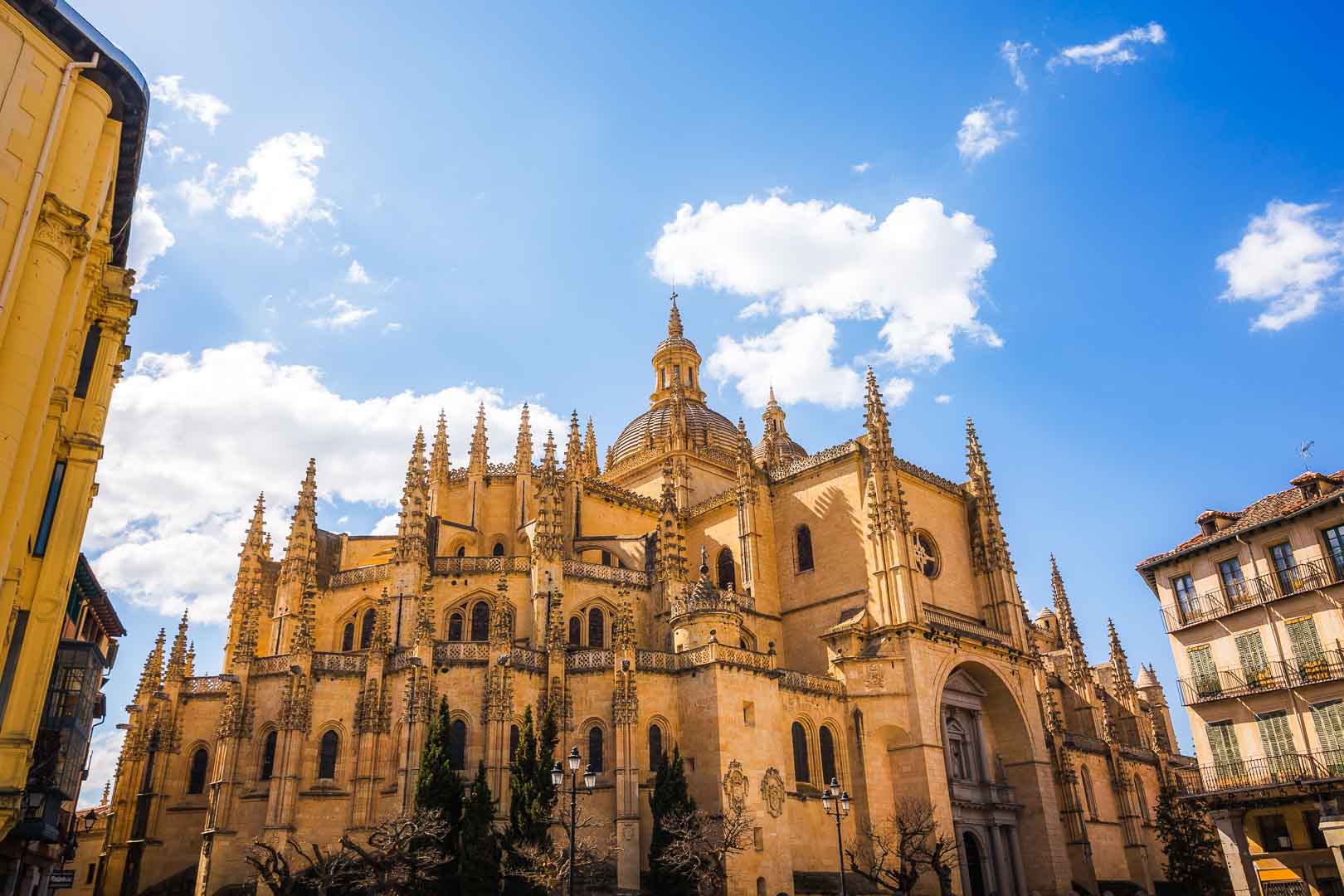
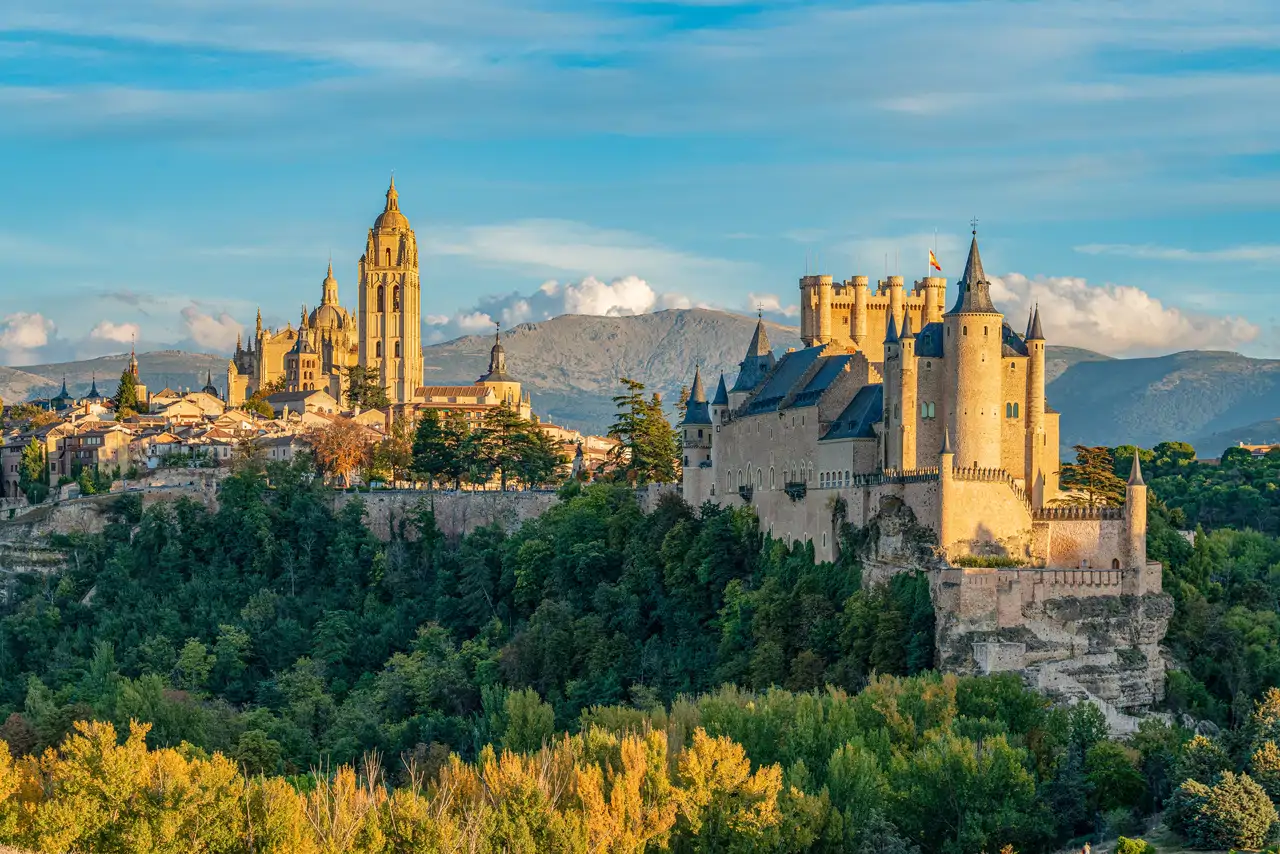
Segovia's old town and its Roman aqueduct are a UNESCO World Heritage Site. Its best-known sights are the aqueduct, which crosses the city's Plaza del Azoguejo; the Gothic cathedral; and the Alcázar, a castle on a rocky outcrop above two rivers.
Option 2: La Alberca and Sierra de Francia
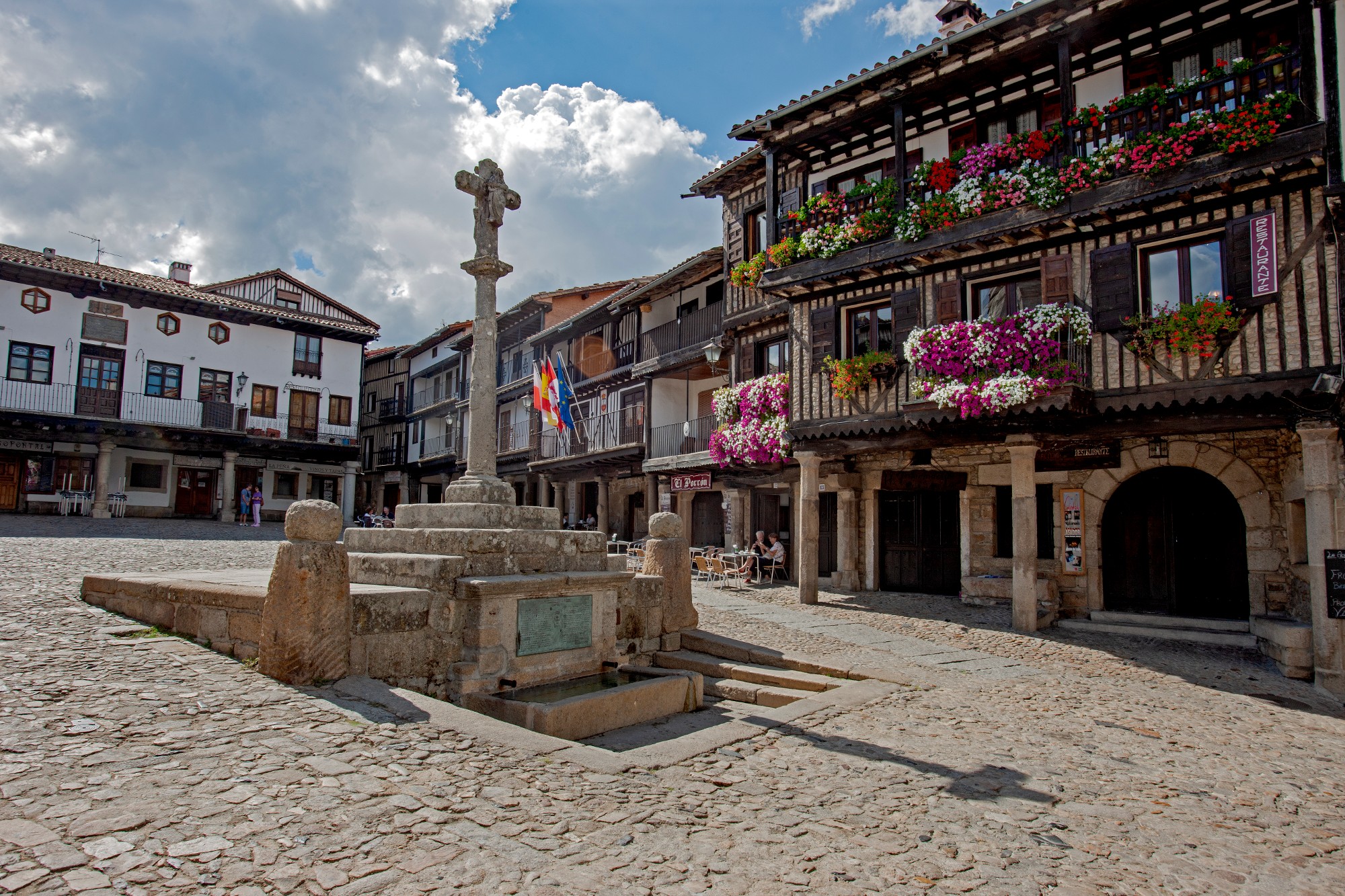
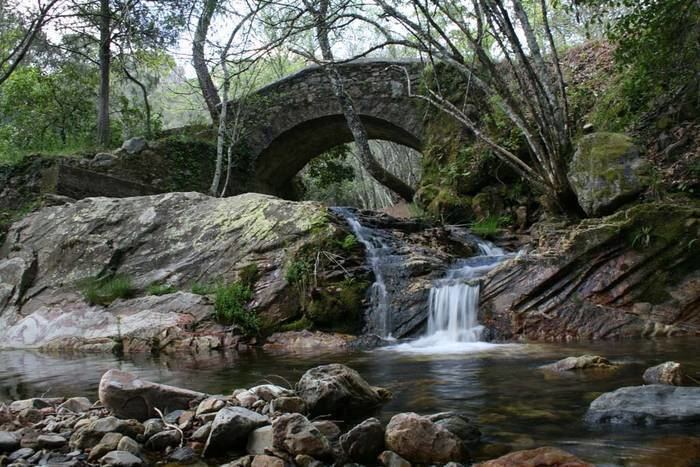
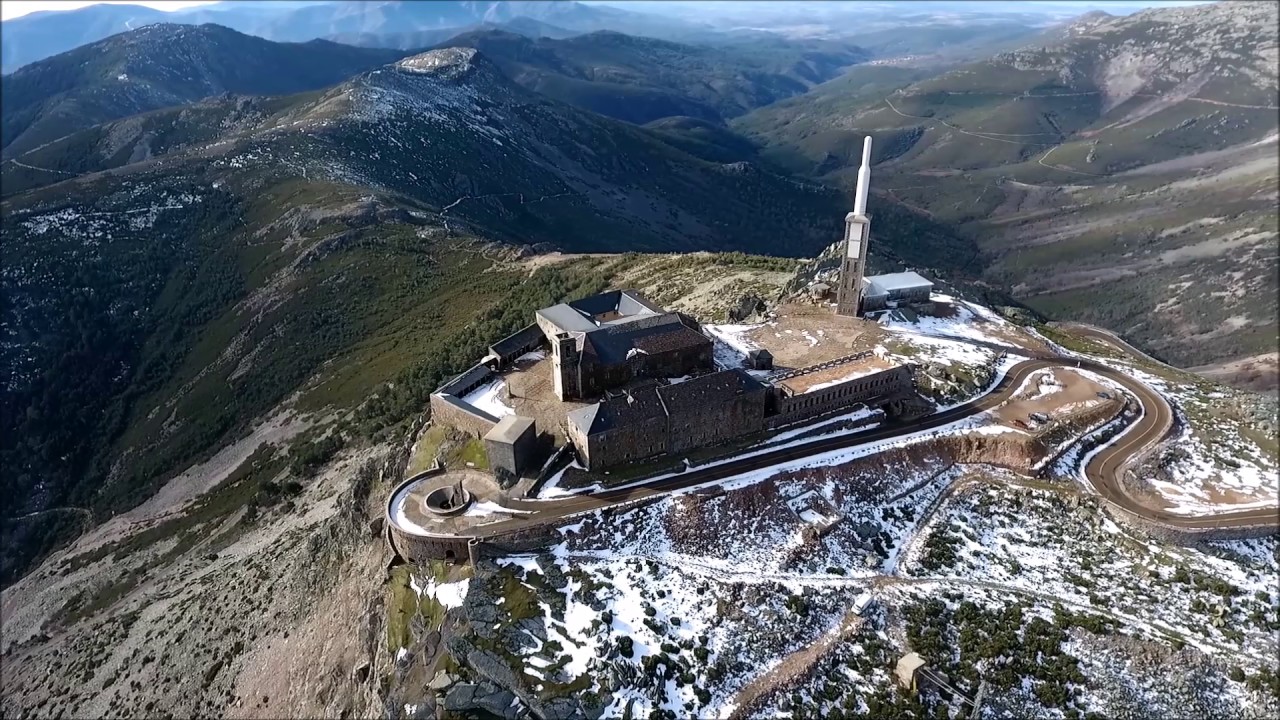
The mountains south of Salamanca, part of a UNESCO Biosphere Reserve: forested valleys such as Las Batuecas, and the Peña de Francia peak with its sanctuary on the summit. La Alberca is a traditional mountain village of stone and half-timbered houses around an arcaded square.